

Eva Rubinstein
Traces of Existence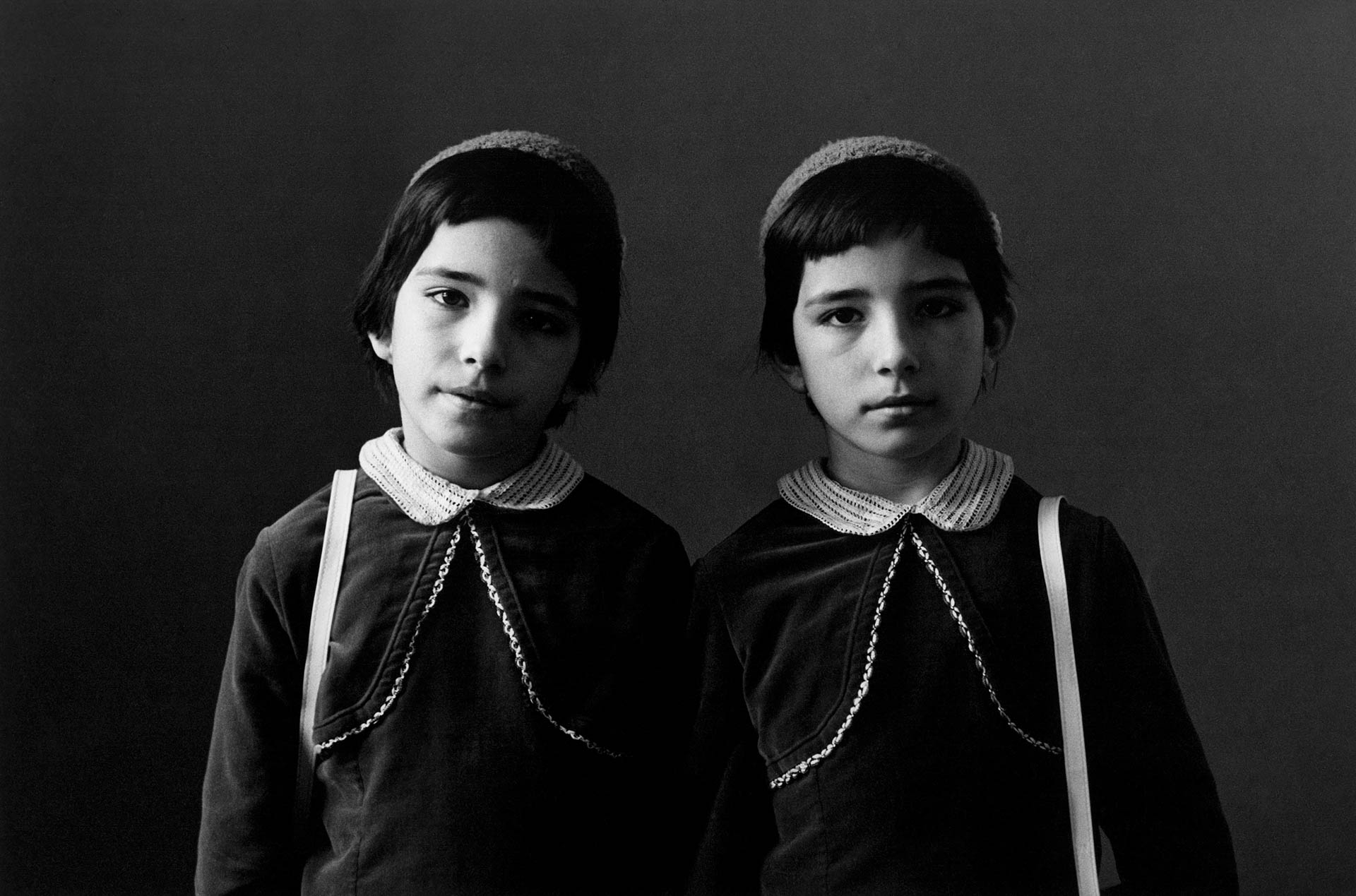
Eva Rubinstein
Traces of Existence. Photographs from the 1970s-1990s
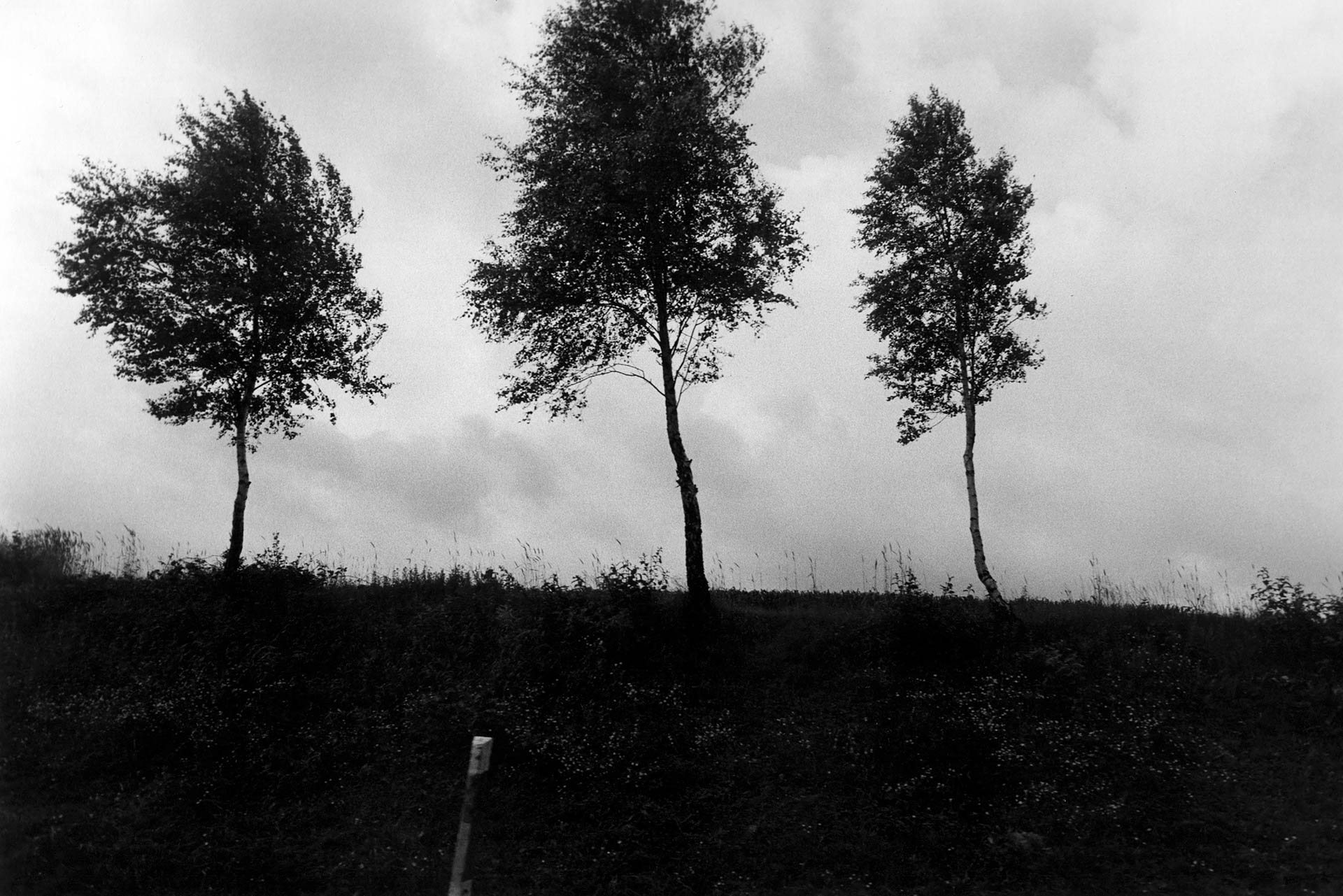
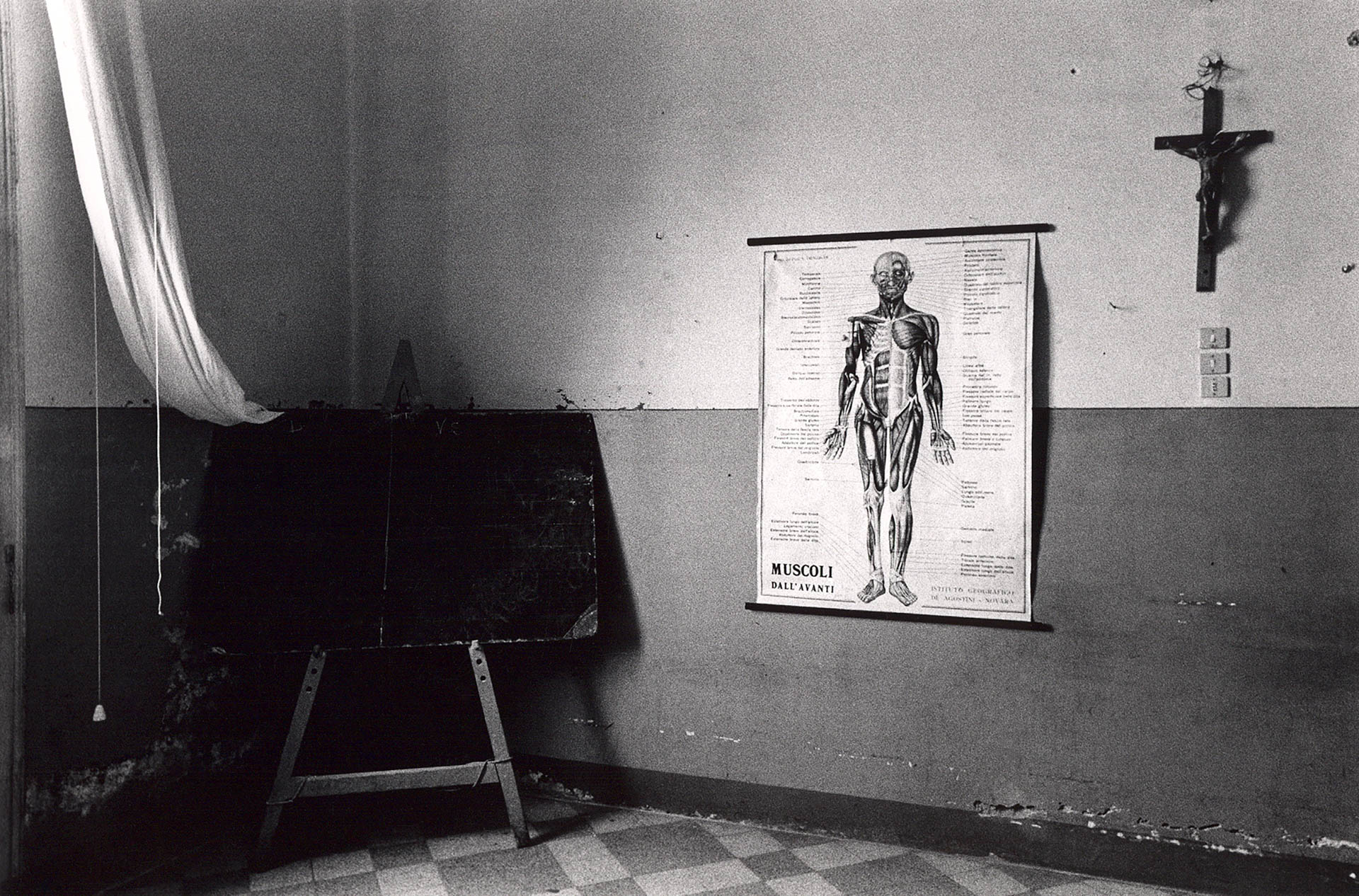
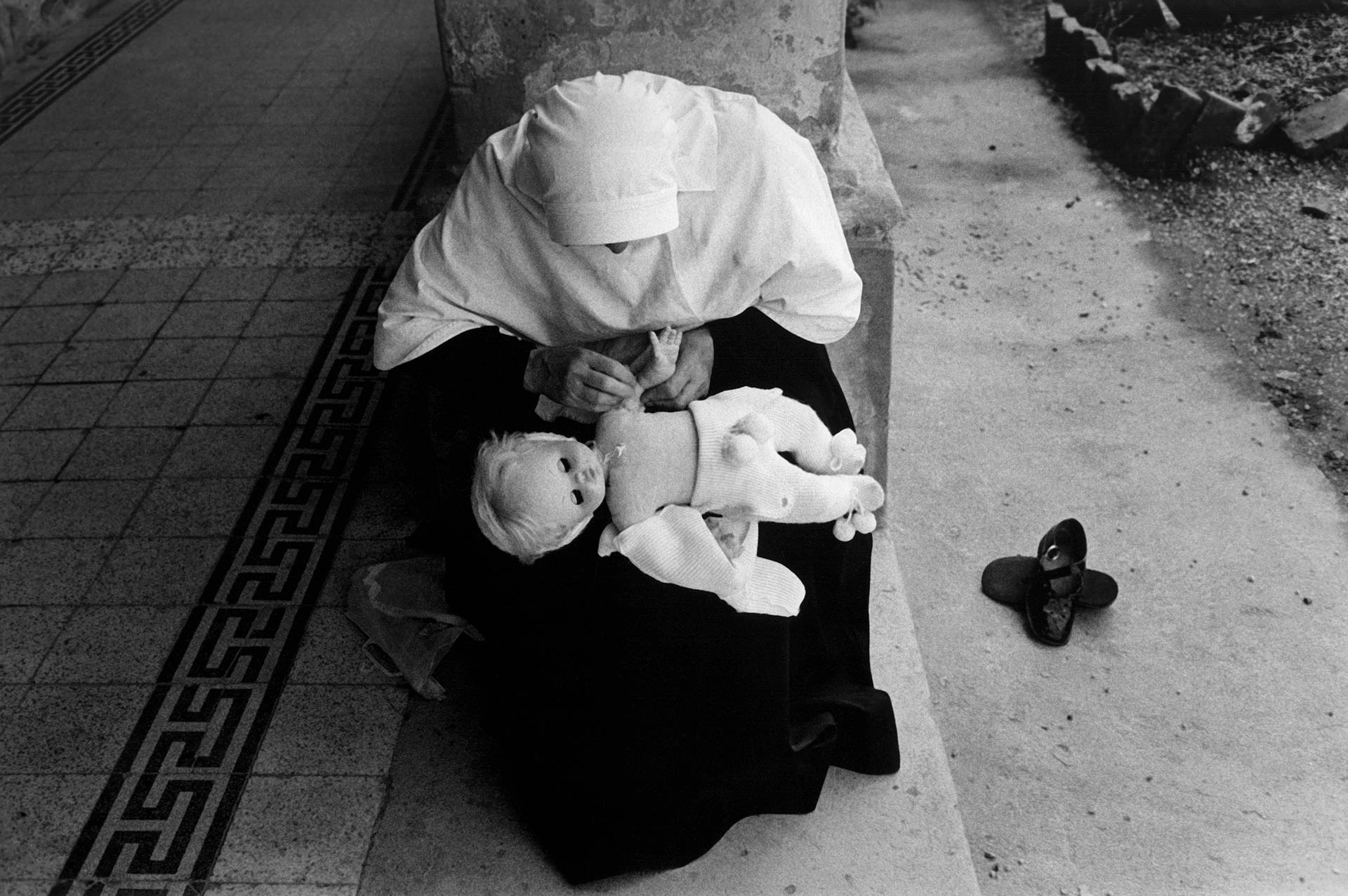
Eva Rubinstein's interest in photography emerged at a particular moment in her life, following her divorce in the late 1960s. She had the opportunity to learn the essence of the medium from prominent American photographers. In the 1970s and 1980s, she created many exceptional works that additionally stimulated the development of Polish photography, which at that time opened up to American modernism. In her work, photography, through the tradition of surrealism and abstraction, using specific lighting, radical cropping, and sometimes the simplicity of the recorded motif, reached the mystery of our existence, or more precisely, its symbolic designations, because the symbolic sphere by its very nature must remain impenetrable. Her photographs speak volumes about the beauty and even the strength of existence, and on the other hand, about the fragility and melancholy of every form of life. But the task of the photographer is to find an intriguing motif, highlight its essence, and give it a specific form, which is recognizable in Rubinstein's photographs. I remember how she photographed in the mid-1980s using a simple compact Olympus Mju camera, which she referred to as an "idiot camera." She photographed everyday moments because she noticed and saw what others did not perceive and did not pay attention to. The result was very important photographs that encapsulate the multifaceted nature of our existence, so difficult to interpret unambiguously, in which spirituality intertwines with poetic imagery.
Krzysztof Jurecki
Eva Rubinstein
Born in 1933 in Buenos Aires. Daughter of the world-renowned pianist Arthur Rubinstein and Aniela Rubinstein (née Młynarska). Until 1939, she lived with her parents in Paris. After the outbreak of World War II, her family emigrated to New York. In 1946, they received American citizenship. She studied at Scripps College and the Theater Department at the University of California. Initially, she pursued ballet professionally and then photography from 1967. She studied, among others, with Lisette Model and Diane Arbus. Initially interested in photojournalism, she later focused on portrait and documentary photography. In the 1980s, she taught photography at the Film School in Łódź. Her most significant exhibition in Poland took place in 1984 at the Museum of Art in Łódź, curated by Urszula Czartoryska, a promoter of her work and a close friend. Rubinstein also had connections with the democratic opposition in Poland, which she highlighted in her portraits, including at an exhibition at the St. Christopher's Nave in Łódź and within the circle of "elementary photography." Her work inspired artists such as Andrzej J. Lech, Wojciech Zawadzki, and Bogdan Konopka. She is the initiator and organizer of the Artur Rubinstein International Music Festival in Łódź.
Krzysztof Jurecki
Born in 1960. Critic, art historian, and curator, PhD in humanities. Honorary member of the Association of Polish Art Photographers. Member of the International Association of Art Critics (AICA). Author of numerous publications on photography and art history. He has written several books and numerous articles on photography and art history. His texts have been published in "Arteon," "Aspiracje," "Format" (regular contributor from 1990-2021), "Fotografia," "Krytyka Literacka," "Obieg," "Obscura," and "Projekt" (1987-89). From 1990 to 2014, he was a regular contributor to the magazine "Exit," from 2000-2010 to "Kwartalnik Fotografia," and since 2022 again. From 1985 to 2005, he worked at the Museum of Art in Łódź, where he was head of the Photography and Visual Techniques Department from 1998 to 2005. Lecturer at AHE and the Academy of Fine Arts in Łódź.
Exhibition Availability
Sleńdzińscy Gallery, 24A Waryńskiego St.; open 27.09-20.10.2024; Tues.-Fri. 11:00-17:00, Sun. 11:00-17:00, Monday and Saturday closed. 28.09,2024 open at: 11:00-17:00.